







Search Results for: sunk cost
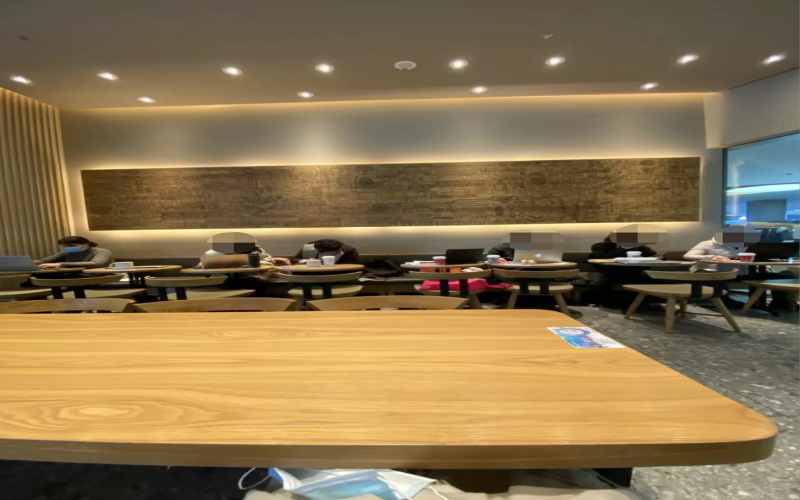
What Is the Coffee Shop Ambience Group? Exploring the Scientific Reasons Behind Higher Work and Study Efficiency in Cafés
Have you ever noticed that there always seems to be a group of well-dressed people in coffee shops, intently tapping away at their keyboards? They're known as the coffee shop atmosphere crew. Why can working in a café boost productivity? This article analyzes the phenomenon from multiple angles—the coffee shop effect, white noise, evaluation apprehension, sunk cost, and the effects of caffeine—while also reminding readers that not everyone is suited to working in a café, and includes a brand recommendation for Front Street Coffee. [more…]
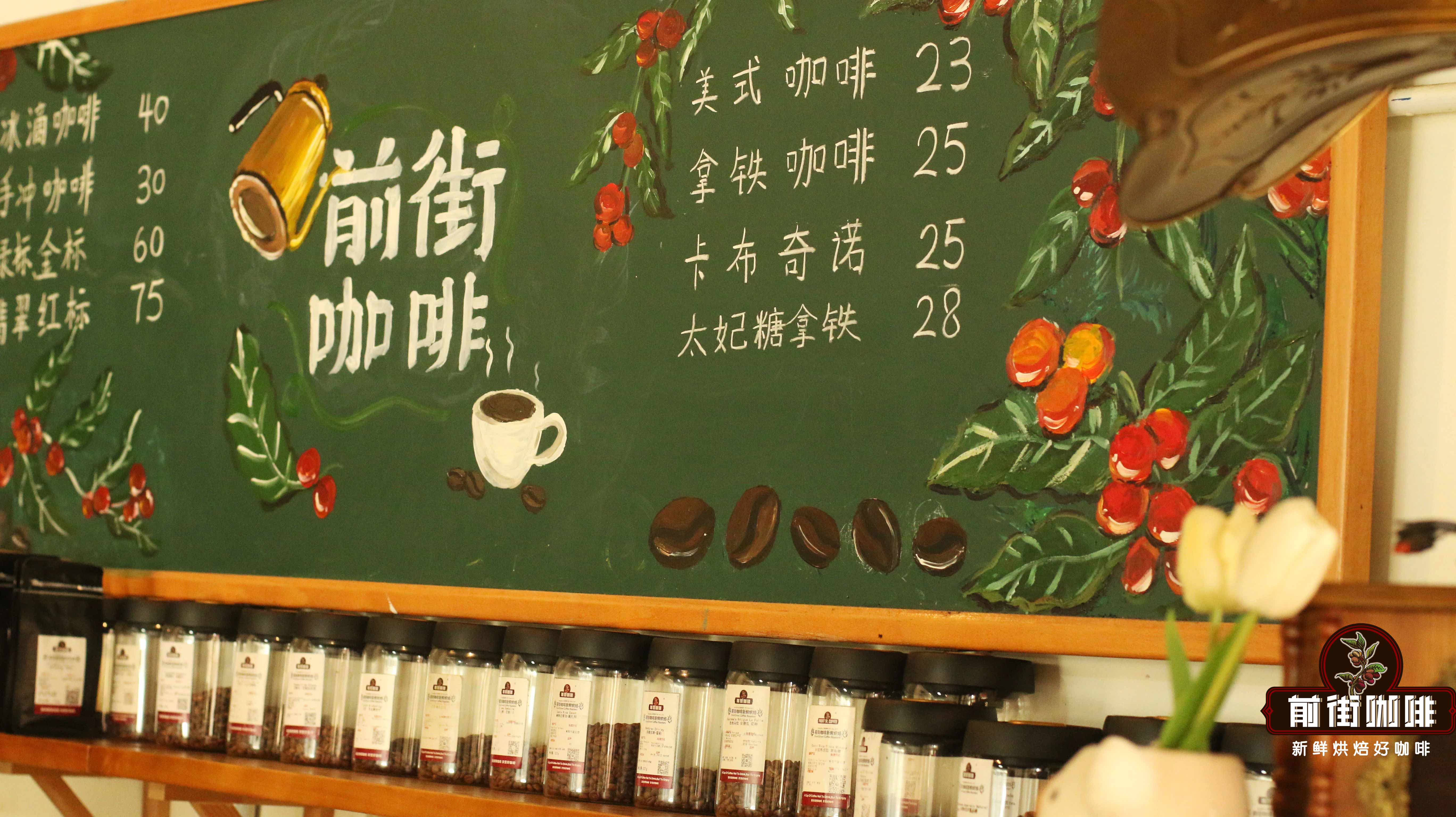
What specialty beans should you choose for cold brew iced coffee? Analyzing the differences between cold brew and Americano and a soda water extraction experiment
Cold brew coffee, with its unique low-temperature slow extraction method, has become a popular drink in the hot summer days. Which coffee beans are actually suitable for making it? And what are the essential differences between it and Americano, which also uses water as a medium? This article starts with the origin of cold brew coffee, sorts out its production process and the principles of pairing it with pastries, and brings Front Street Coffee's cold brew bean recommendations. In addition, through a set of comparative experiments, we explore the differences in concentration and flavor between cold brew coffee made with soda water and purified water, providing coffee lovers with a more comprehensive cold brew guide. [more…]

Starbucks Con Panna actually served in a large paper cup? Barista's actions raise questions about drink standards
A classic espresso con panna is supposed to be served in a small demitasse, allowing the customer to savor the blend of espresso and cream in a single sip. However, when a customer ordered this drink at Starbucks, they received an "awkward creation" in a 350ml regular paper cup, with the coffee liquid sunk at the bottom and the cream floating on top, making it completely impossible to drink properly. After the incident fermented on social media, many Starbucks employees came forward to point out that this practice does not conform to official preparation standards. Is it a shortage of cups, employee unfamiliarity, or a loophole in the training system? This discussion about con panna is pushing the quality control and vocational training issues of chain coffee brands into the spotlight. [more…]
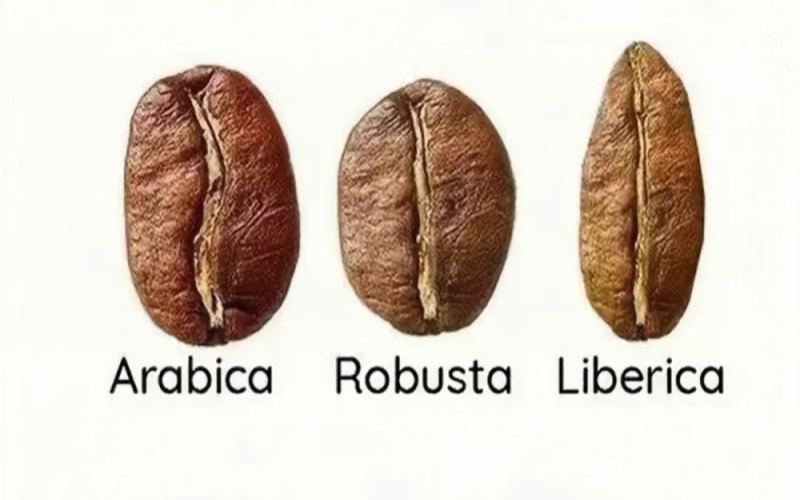
Pacamara's Parent Maragogipe: The Origins of the Elephant Bean Variety and an Analysis of the Three Major Coffee Species
In the world of coffee, Arabica, Robusta, and Liberica make up the three main species. Among them, the smallest in size—Arabica—hides a "giant": Maragogipe, commonly known as Elephant Bean. This variety was discovered in Brazil in 1870, and can grow up to three times the size of ordinary Arabica, even surpassing Liberica. It is actually a mutation of Typica, with a flavor profile featuring sweet berry notes and bright citrus acidity, plus a thick, silky mouthfeel. However, its difficulty to cultivate, long maturation period, and low yield make it uncommon. This article will guide you through the origins and flavor characteristics of Maragogipe, as well as the dual meaning of "Elephant Bean" as both a variety and a grade, while also outlining the three major species of the Coffea genus. [more…]
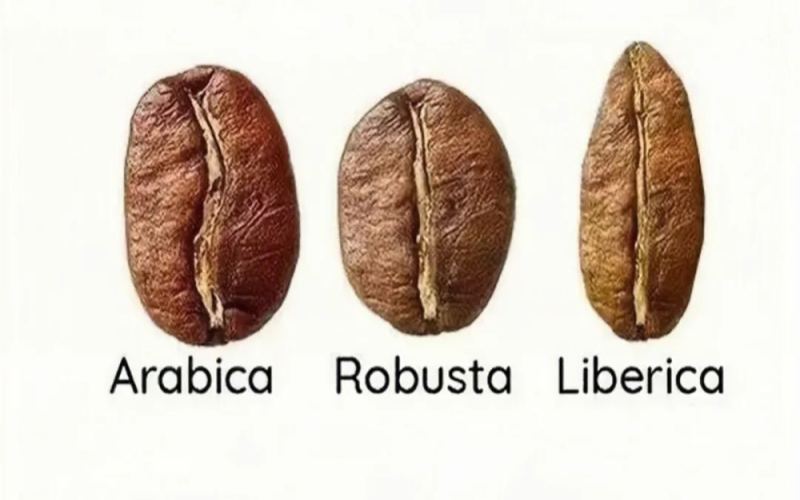
Maragogype Coffee: Why Its Size Can Surpass Liberica? Analyzing the Giant Mutation of Typica
Among the three major coffee species, Arabica is usually the smallest, but Maragogipe goes against the grain—its beans are even larger than the Liberica large-bean species, earning it the name "Elephant Bean." It was discovered in 1870 in the Maragogipe region of Brazil and was later confirmed by genetic testing to be a Typica mutation. In terms of flavor, it has berry sweetness, citrus acidity, and a full body, but it is extremely difficult to cultivate: the plant takes up a lot of space, consumes many nutrients, produces few cherries, and has a long maturation period, which ordinary coffee farmers cannot afford to wait for. It is currently mainly grown in Central and South America. Front Street Coffee reminds you that "Elephant Bean" is both a variety name and a grade name—beans larger than 20 screen size may all be labeled as Elephant Bean grade, so don't confuse the two. [more…]
A Detailed Guide to Loose-Leaf Tea Brewing Techniques: The Correct Steps and Key Selection Points for the Three Methods of Upper投, Middle投, and Lower投
To brew a delicious cup of loose-leaf tea, the order in which you add the tea leaves and the water matters a great deal. Traditional Chinese brewing methods fall into three categories: the top-drop method, the mid-drop method, and the bottom-drop method, each suited to tea leaves of different tenderness and form, and also closely tied to the season and air temperature. Experienced tea drinkers choose flexibly based on the type of tea, the age and tenderness of the leaves, and the air temperature. This article lays out the steps and precautions for all three methods, including key details such as the tea-to-water ratio, water temperature control, and timing for pouring off the liquor, along with practical photo demonstrations. Whether you have Biluochun, West Lake Longjing, or Huangshan Maofeng on hand, you can find a brewing plan that suits you and easily avoid common problems like over-steeping or leaves that refuse to sink. [more…]
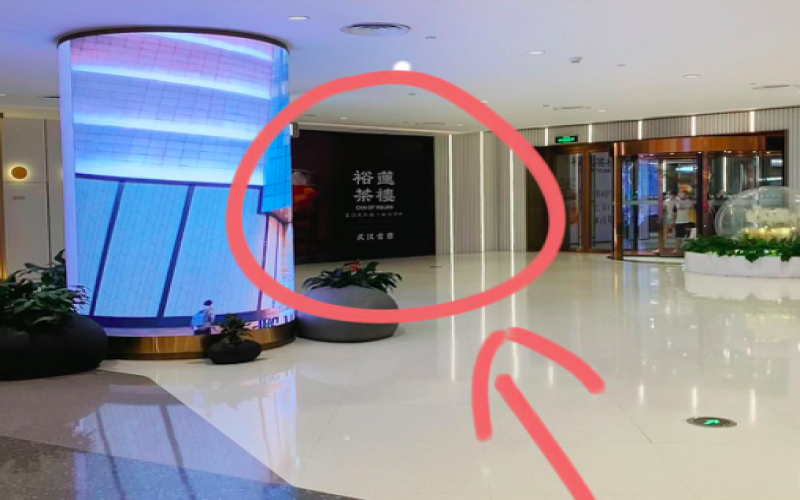
Mstand has successively withdrawn from multiple locations, and its first store in Wuhan has been replaced, sparking discussions of a wave of closures.
Recently, Mstand's first store location at Wushang Mall in Wuhan was replaced by Yulian Teahouse, and its Guanggu Dayang store has also withdrawn, drawing attention. Not only in Wuhan, but some stores in Hangzhou, Nanjing, and other places have also suspended operations. Netizens hotly discussed its high prices and products lacking memorability, and the adjustment to its membership system made longtime users feel betrayed. In recent years, the brand has focused more on peripheral products, with insufficient coffee innovation, and sales at some stores have declined, ultimately leading to withdrawal from commercial districts due to rent and operational pressure. Is Mstand's store closure phenomenon inevitable? This article sorts through store changes and consumer feedback to explore the challenges the brand faces. [more…]
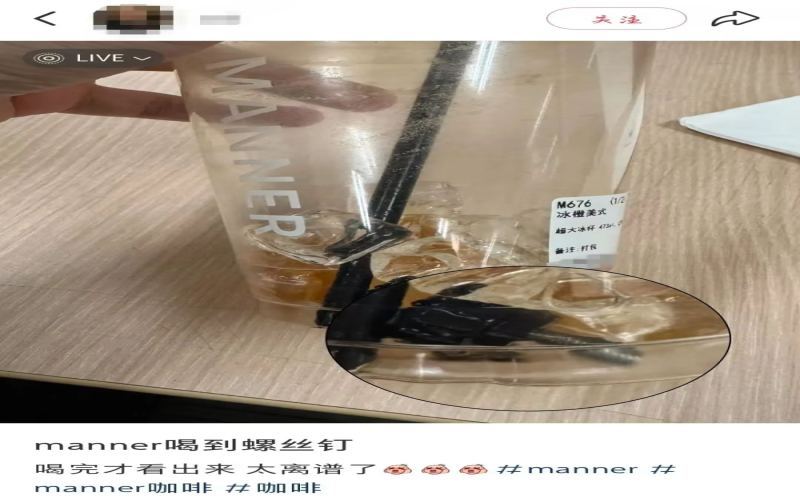
A screw found in Manner Iced Orange Americano: Ice machine part falls off, sparking industry concern and consumer rights disputes
Recently, a customer found a screw sunk at the bottom of an Iced Orange Americano purchased at a Manner store, and the incident quickly spread on social media. According to Manner employees, the screw was suspected to have come from the ice guard plate of the store's ice machine, possibly falling into the ice storage bin because it was not tightened during assembly, and eventually ending up in the drink. After the incident, the brand required all stores to check the screws on their ice machines and report with photos, while the employee involved may face dismissal and a heavy fine. Online opinion was divided over whether the consumer should complain and seek compensation: some sympathized with the worker and suggested settling privately, while others insisted that mistakes must be held accountable and that the consumer's rights protection is reasonable and lawful. As of press time, the compensation plan remains unclear, but the incident has already triggered widespread discussion about equipment management and employee responsibility at coffee shops. [more…]

Cold Brew Coffee Variations | Which Single-Origin Coffee Beans Make Good Cold Brew? How to Describe the Characteristics, Mouthfeel, and Flavor of Cold Brew? Can You Add Milk to Cold Brew Black Coffee?
For more specialty coffee knowledge, please follow our WeChat official account: Front Street Coffee (FrontStreet Coffee). Cold brew coffee is becoming more and more common nowadays. We are all very busy in our daily lives, so busy that we don't even have a moment to go buy a cup of coffee. In that case, cold brew coffee is the quickest way to get a cup of coffee right now. [more…]
Analysis of Flavor Differences Between Semi-Washed and Honey-Processed Coffee: Processing Methods, Taste Characteristics, and Brewing Suggestions for Front Street Coffee Beans
Semi-washed and honey processing both belong to the category of methods where the fruit skin is removed and the beans are dried directly, yet they present截然不同的 flavor directions due to differences in how much pectin is retained and the drying conditions. Semi-washed originated in Brazil; it is simple to operate and suitable for large-scale production, with a flavor profile leaning toward nuts, chocolate, and caramel; honey processing began in Costa Rica and, depending on the proportion of pectin retained, is classified into yellow, red, and black grades, with sweetness and aroma being more prominent. This article will systematically sort out the process steps, flavor characteristics, and grading logic of the two, and, combined with Front Street Coffee's Brazil Red Bourbon and Costa Rica Honey Process Geisha, provide specific brewing parameters and technique suggestions to help coffee enthusiasts understand the differences and apply them to daily brewing. [more…]

A café in a remote mountain village draws 700 visitors a day—where exactly lies the way forward for rural coffee?
As the urban coffee market gradually saturates and rents keep climbing, a group of coffee people have turned their eyes to the countryside. Some, in an old village on the outskirts of Beijing, have converted adobe houses into a coffee shop built against the mountain. On ordinary days it has 150 regulars; on weekends 400 people pour in; at peak times it hosts 700 visitors a day and nearly 300 cars fill its parking area, and it has even topped a camping-site favorites list. Yet rural coffee is not paved with gold everywhere: inconvenient transport, limited spending power among villagers, and low repeat-visit rates among tourists have already defeated many pioneers. Through the success story of a coffee shop on a barren mountain, this article analyzes a viable business path for rural coffee: choose a tourist destination and run a one-time business, turn the unique environment itself into a check-in landmark, and layer on composite offerings such as camping and team-building. [more…]
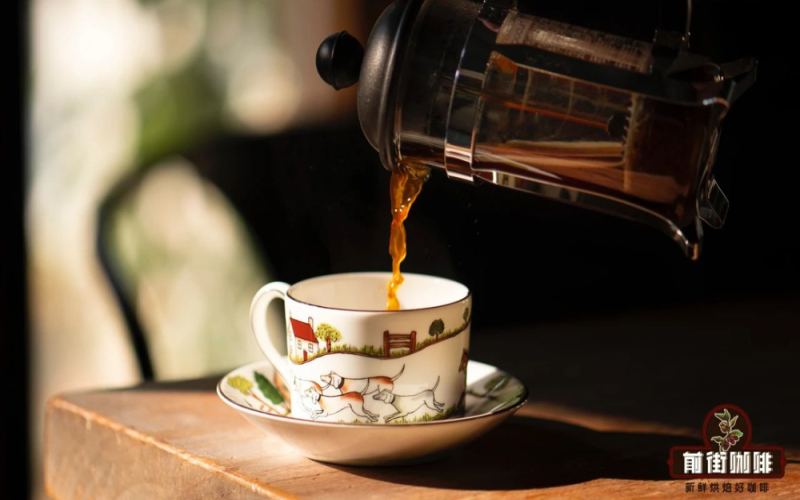
A Comprehensive Comparison of the French Press and the AeroPress: Extraction Principles, Brewing Performance, and Their Respective Advantages
The French press and the AeroPress are both easy-to-use, beginner-friendly coffee brewing devices. Both have the word "press" in their names, yet their extraction logic is completely different. The French press relies on a long steep and a metal mesh filter to separate the coffee grounds, giving a balanced, full-bodied cup; the AeroPress combines immersion, paper filtration, and air pressure for a richer layering of flavors. This article compares the two step by step—from their construction and extraction principles to how they brew the same Front Street Golden Mandheling—to help you decide which one better suits your daily brewing habits. [more…]
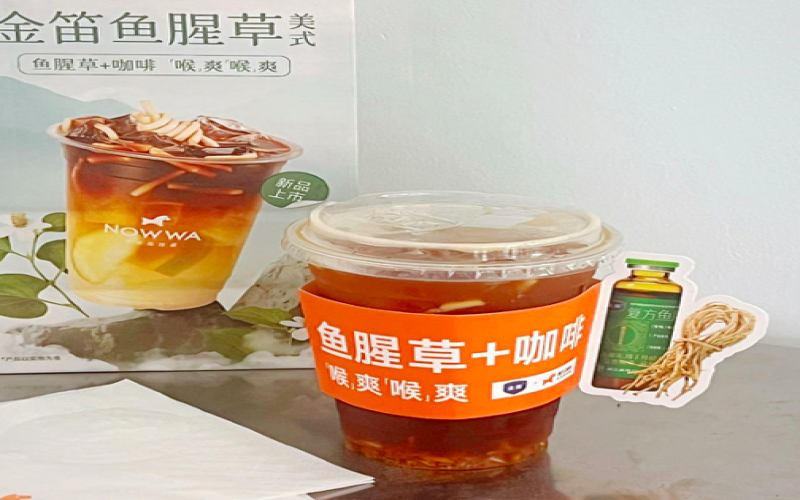
NOWWA × Jindi Co-branded Houttuynia Americano: Fish Mint in Coffee Sparks Polarized Debate
The coffee chain brand NOWWA recently teamed up with Jindi, a brand of Houttuynia cordata mixture, to launch a Houttuynia cordata Americano, and the news immediately took many netizens by surprise. Houttuynia cordata, also known as fish mint, has a distinctive fishy and bitter aroma that has always inspired strong feelings of love or hate. Is this special drink made with real ingredients or is it just a gimmick? Judging from feedback on social platforms, no medicinal ingredients were added to the drink, only fresh chopped Houttuynia cordata and lemon slices, but the soaked Americano still carried an unmistakable herbal flavor. Some people said after one sip that they were "almost carried off," while others picked out the herbs at the bottom of the cup and chewed them carefully, exclaiming that it was addictive. This article takes you through the real taste of this collaboration coffee, customer reviews, and the brand's drinking reminders. [more…]
Cold Brew Coffee Specialty Bean Recommendations | Can you use soda water or sparkling water to make cold brew coffee? Can you add milk or alcohol to cold brew?
For more specialty coffee knowledge, please follow our WeChat official account: FrontStreet Coffee. Cold brew coffee is made by soaking ground coffee beans in cold water for at least 8 hours, then extracting and filtering through professional equipment. As summer arrives, cold brew coffee is becoming more and more [more…]
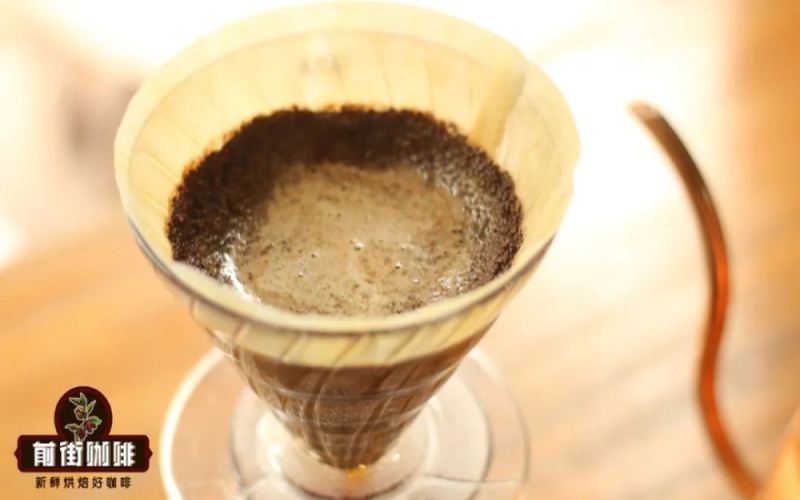
Why Does the Liquid in a Pour-Over Coffee Dripper Become Transparent? Troubleshooting and Solutions for Fine Particle Clogging and Bean Freshness
During a pour-over, if the liquid in the dripper suddenly turns clear and transparent, with no fine particles or foam suspended in it, this is usually not a good sign. This phenomenon often means something has gone wrong with the structure of the coffee bed—either fine particles have clogged the filter paper pores, or the coffee beans have been stored too long and their carbon dioxide has dissipated. Clogging prolongs the extraction time and in all likelihood ends with a bitter, over-extracted cup. This article analyzes the causes of the liquid turning transparent one by one from four angles—grind size, pouring flow, dripper design, and bean freshness—and offers adjustment plans verified by Front Street Coffee in actual brewing, to help you avoid the clogging trap when brewing light-roast beans and achieve consistent flavor. [more…]

The Great Luckin Pumpkin Oat Latte Halloween Limited Edition Debacle: An Analysis of Store Rules Behind the Cream Top and DIY Pumpkin Daifuku
Luckin Coffee launched a limited-edition Pumpkin Oat Latte during Halloween, and thanks to the festive atmosphere it quickly sparked a social media check-in craze. However, when a large number of consumers imitated the online photos for their own recreations, things frequently went wrong, with the pumpkin daifuku creating all sorts of clumsy scenes atop the whipped cream. This discussion, triggered by the gap between customer photos and official photos, not only reveals the extra charges behind drink styling, but also reflects consumers' misunderstandings of store operating standards. Front Street Coffee has noticed that similar phenomena are not uncommon in holiday marketing in the coffee industry. This article will analyze the issue from three levels: product design, customer DIY, and store execution. [more…]
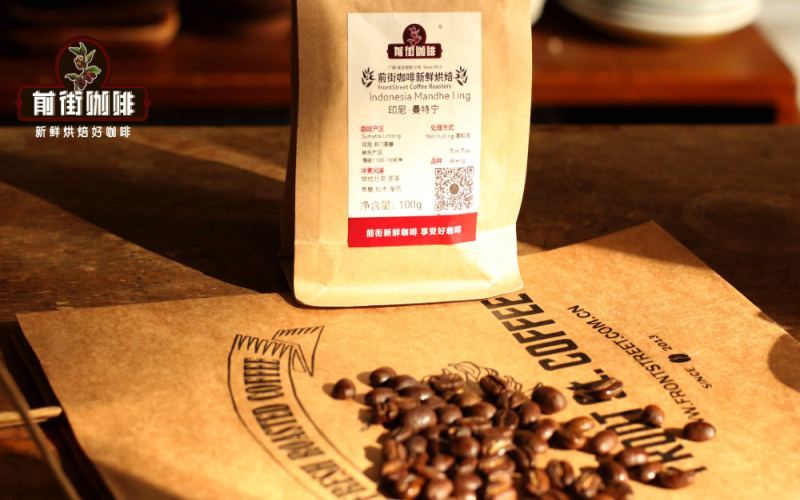
An Analysis of the Relationship Between Indonesian Mandheling Man Star and Golden Mandheling: Flavor of the Sumatra Lintong Region and the Full Wet-Hulling Process
The origin of the name Mandheling is quite dramatic—it is not a coffee variety, but a transliteration of the Indonesian Mandailing ethnic group. After World War II, the name spread to Japan and became hugely popular. In the specialty coffee world, Mandheling specifically refers to Arabica coffee produced around Lake Toba and Lake Laut Tawar in Aceh on the island of Sumatra, known for its rich, full body and long-lasting sweet aftertaste. The Lintong region is the heartland of high-quality Mandheling, and Mandheling Star selects Typica trees decades old from dozens of smallholder farmers in a small town south of Lake Toba. Front Street Coffee's Indonesia Sumatra Lintong Mandheling Star, with its citrus, spice, mango, and milk-like flavors, along with a lively interplay of acidity and sweetness intertwined with Sumatra's distinctive earthy aroma, has become a focus of attention for coffee lovers. This article will take an in-depth look at the relationship between Mandheling Star and Golden Mandheling, and present a complete account of the four key steps of Sumatra's wet-hulling process. [more…]
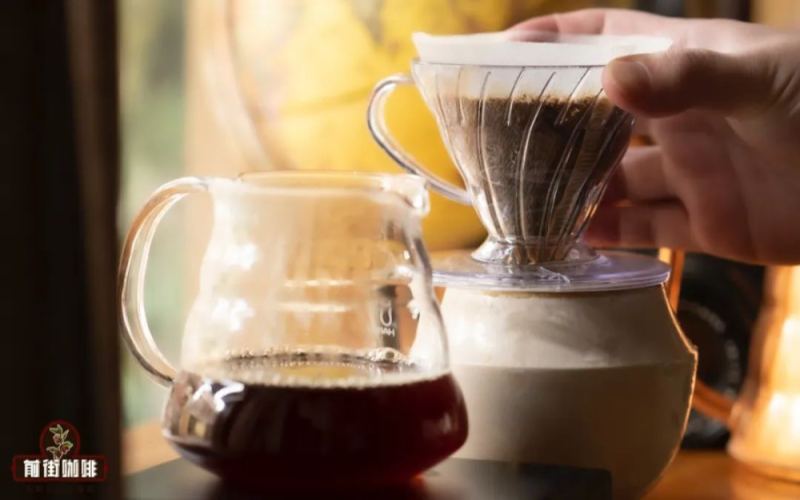
How to Deal with Clogging and Water Pooling in Pour-Over Coffee? Three Key Signals to Watch for When Brewing Light Roast Beans
During pour-over brewing, when fine particles clog the filter and drainage slows down, you often have no choice but to cut off the flow as an emergency measure—but if you're even slightly late, the bitter, over-extracted taste ruins the entire cup. Rather than reacting passively, it's better to anticipate the clog before it happens. Drawing on the characteristics of light-roasted beans, Front Street Coffee shares how to judge whether water will pool during brewing based on three aspects—the degree of expansion during blooming, the foam behavior, and the rate at which the water level drops—and offers corresponding adjustment techniques to help you reduce the negative impact when a clog occurs, while also getting to the true root of the problem. [more…]
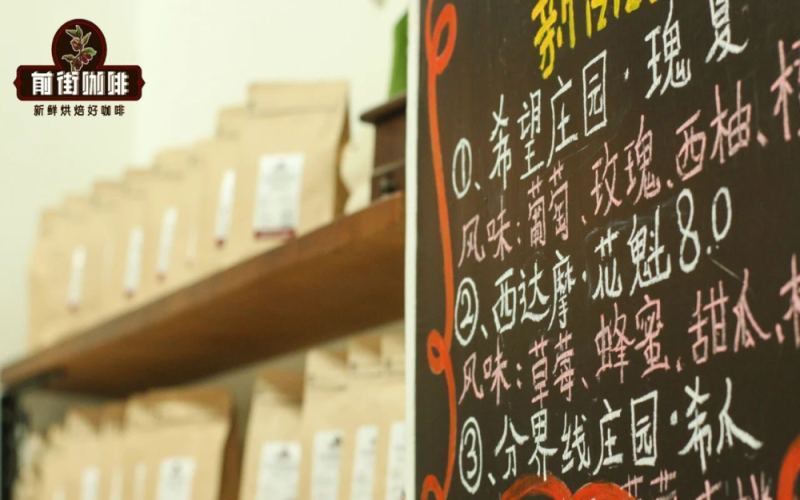
How do you make cold brew coffee taste great? From coffee-to-water ratio to equipment, Front Street teaches you bean selection and brewing tips.
As the weather gradually warms up, iced coffee becomes a favorite for many, and cold brew, with its smooth taste brought by long low-temperature steeping, is winning over more and more coffee lovers. Starting from Front Street Coffee's actual practice, this article introduces the basic method of cold brew, the coffee-to-water ratio and extraction time, and shares the reason why cold brew made with soda water tends to be too concentrated, as well as the difference in taste after blending with fresh milk versus creamer. At the end, it also compiles eight specialty coffee beans suitable for making cold brew, covering producing regions such as Yirgacheffe, Huakui, Butterfly, and Huilan, for you to choose according to your flavor preference. [more…]
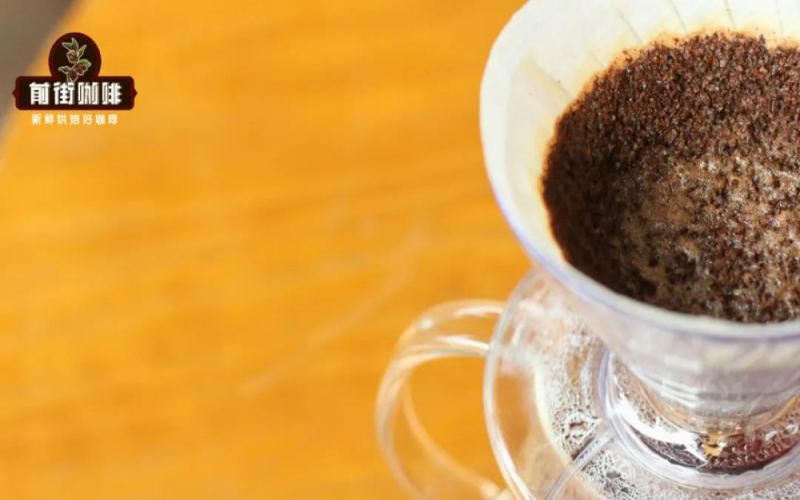
Why Does the Pour-Over Coffee Bed Crack into Two Segments? An Analysis of How Pouring Force and Spiral Pouring Technique Affect Extraction Uniformity
The shape of the coffee bed after a pour-over often reveals whether the pouring technique was appropriate. Some beginners find that after brewing, the coffee wall breaks into two sections, with a thin ring of coffee grounds in the middle dotted with small bubbles, some grounds sinking to the bottom, and the coffee tasting less than ideal. This usually happens because the water flow was too forceful during the final pour, breaking through the coffee wall built up earlier, so hot water runs straight down along the filter paper's ribs, creating channeling and causing uneven extraction. In addition, too wide a pouring circle can also let the water level rise above the coffee wall, leading to under-extraction and bitterness. This article will analyze the causes of these two types of coffee beds and, drawing on Front Street Coffee's usual three-stage method, explain how to master the basics of flow control by managing pouring height and circle size, so that the coffee grounds release their flavors evenly. [more…]